The Totem Poles of Ketchikan
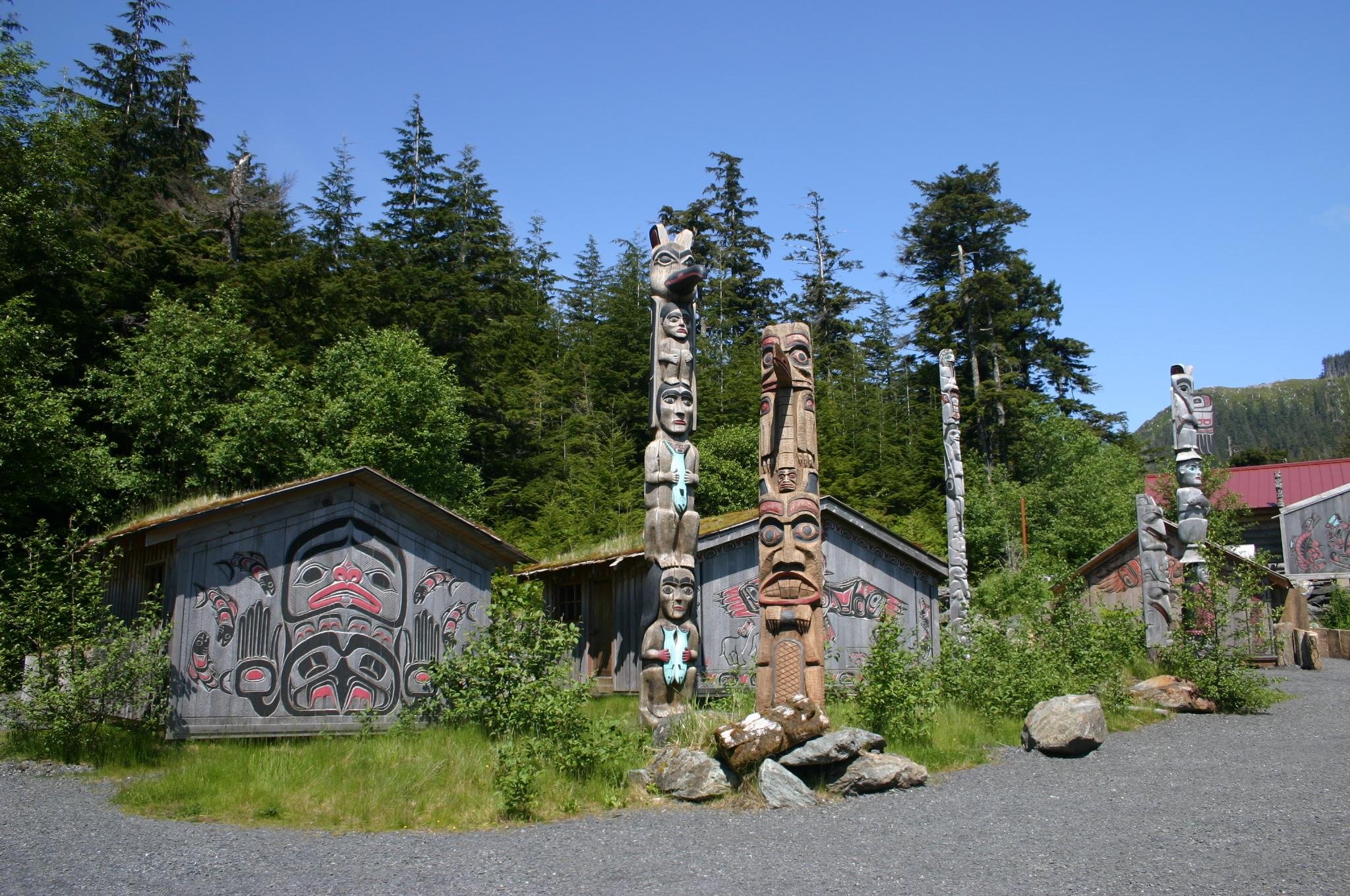
Ketchikan is the world capital of totem poles. These towering works of art, carved by the Tlingit, Haida, and Tsimshian peoples, are not religious idols—they are visual stories used to record history, honor the dead, and commemorate major events.
Saxman Totem Park
Location: 2 miles south of downtown.
The best place to see authentic Tlingit culture in action. The park features 24 relocated and restored poles, a Tribal House, and a **Carving Center**. If you're lucky, you'll see a master carver working on a new pole.
Totem Bight State Park
Location: 10 miles north of downtown.
A stunning coastal park featuring 14 poles and a traditional Clan House. The setting within the temperate rainforest, right on the water's edge, makes it a photographer's favorite.
Totem Heritage Center
Location: Downtown (walking distance).
Houses the world's largest collection of un-restored, original 19th-century totem poles retrieved from abandoned village sites. This is where you go to see the raw, weathered history of the art form.
How to See the Totems
Downtown Walking: You can see several major poles (like the Chief Johnson pole) just by walking through downtown.
The "Bus" Hack: You don't need a $100 tour. The Ketchikan local bus (The Green Line for north/Totem Bight and the Red Line for south/Saxman) runs regularly and costs just $2-3.
Common Totem Symbols & Meanings
- The Raven: A trickster and the creator who brought light to the world.
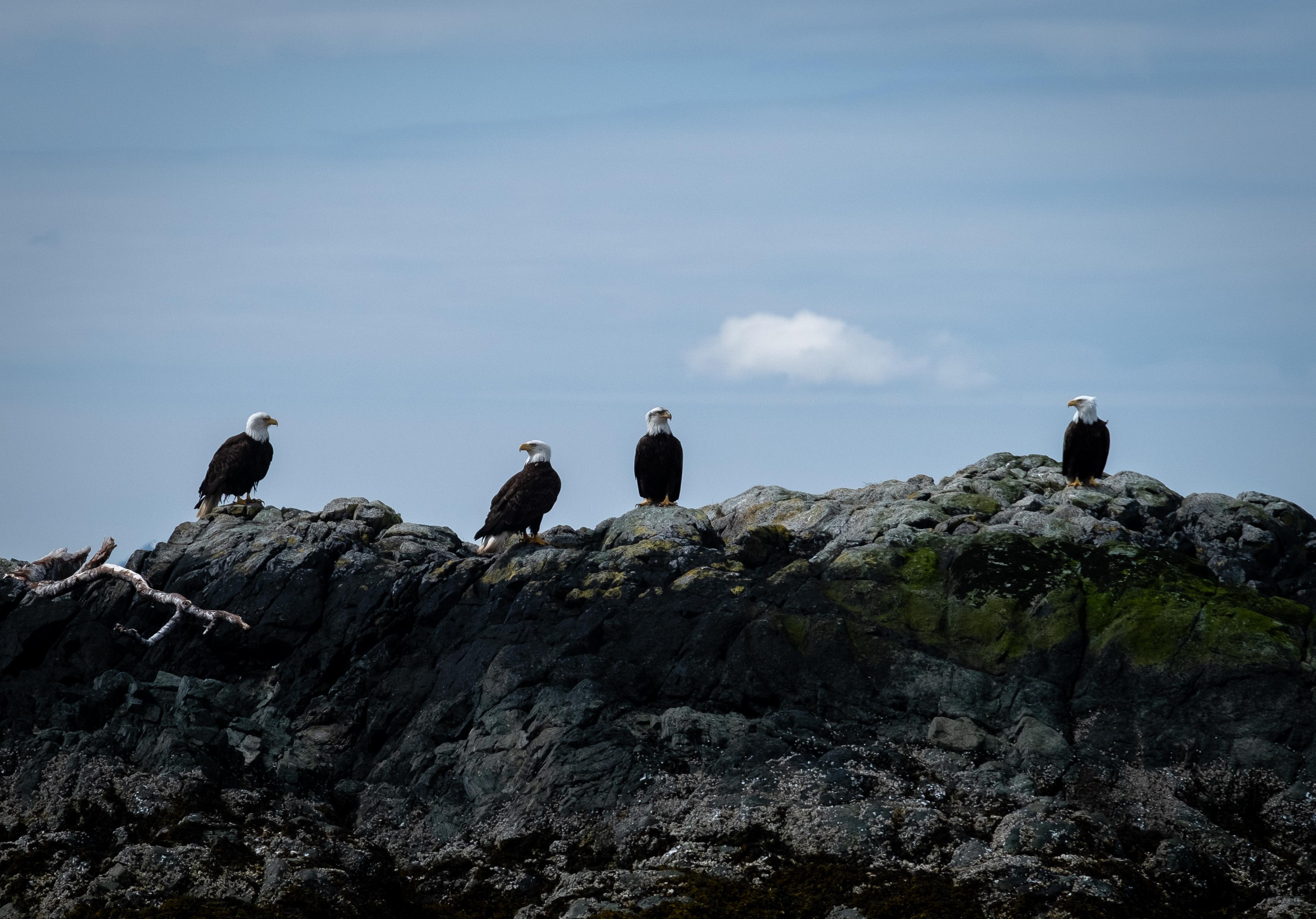
- The Eagle: Represents nobility, wisdom, and peace.
- The Bear: Symbolizes strength, family, and medicine.
- The Frog: A sign of prosperity and good luck.
Which Site Should You Choose?
| Site | Pros | Cons |
|---|---|---|
| Saxman Village | Native guides, active carving | Can feel crowded when tours arrive |
| Totem Bight | Quiet, scenic, clan house | Far from town (requires bus/taxi) |
| Heritage Center | Original 19th C poles, walkable | Indoor only, no active carving |
Guided Ways to See the Totems
The bus hack above works fine if you're confident with timings. If you'd rather have a guide handle the logistics — or want to combine totems with wildlife — two well-reviewed bookable options cover the totem heritage from different angles: